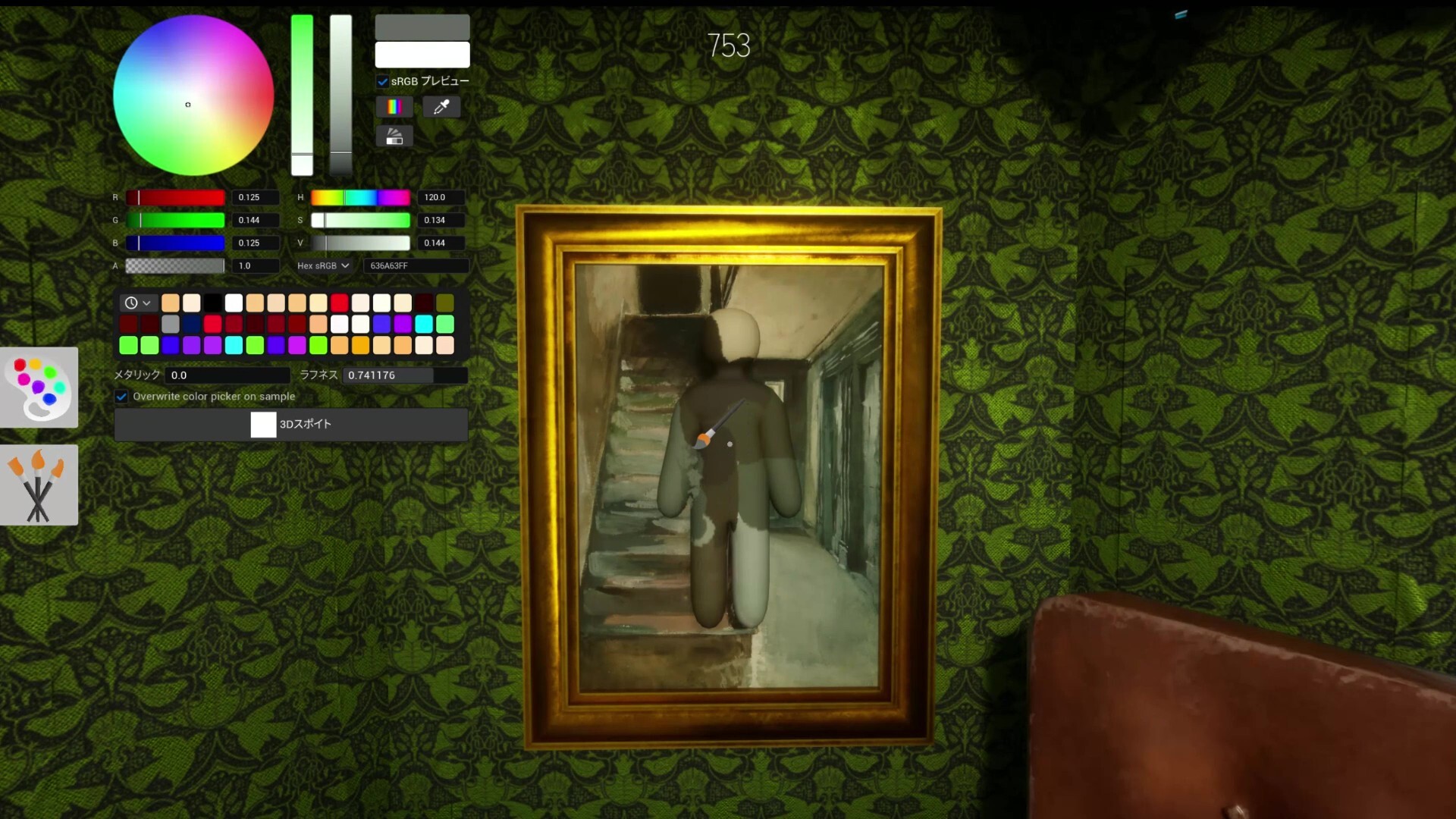

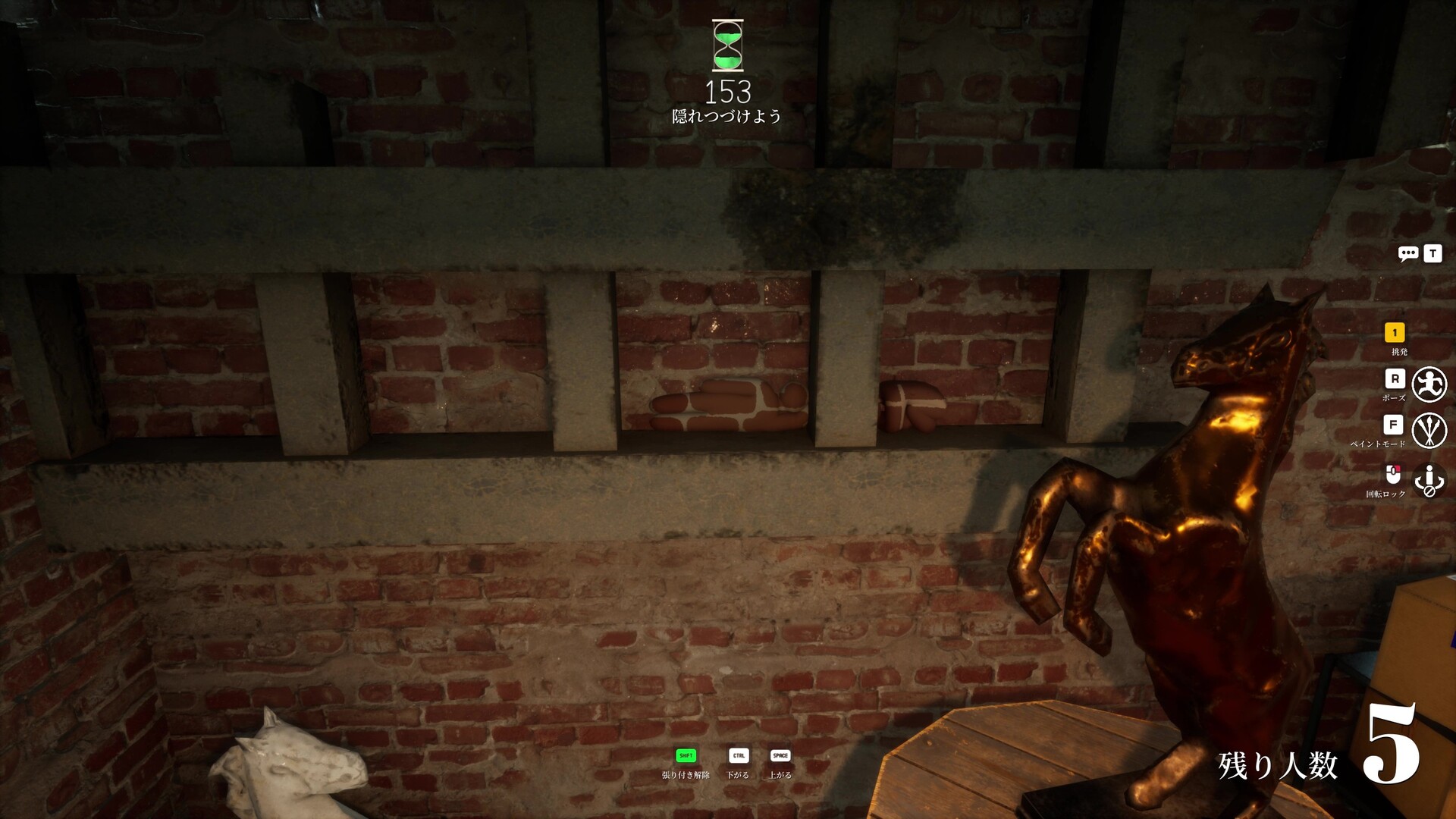
A strong seeker route starts with room memory. Look at the broad scene first, then scan edges, corners, repeated objects, and unusual silhouettes. Hiders often over-focus on matching a single color while forgetting that the human outline still reads against the room. Seekers should also watch for surfaces that look too flat, too shiny, or too clean compared with surrounding texture. Good pressure forces hiders to adjust, and movement often reveals more than direct inspection.
The seeker guide should turn observation into a route. Randomly checking corners wastes time and lets good hiders win by patience. A better seeker makes a broad scan, memorizes the main shapes, clears the easiest outlines, compares repeated textures, and returns to suspicious zones after applying pressure. Hiders often fail in predictable ways: their body is too smooth, the paint is too flat, the shadow is wrong, the pose is too human, or they adjust after the seeker enters. This page should teach seekers to change viewing angle before committing, because a spot that looks convincing from one angle may show a readable outline from another. It should also link back to hider advice so players understand both sides of the mind game.
Scan Route
Follow a repeatable route instead of reacting randomly.
- Take one broad pass for shapes and new silhouettes.
- Check corners and edges where outlines are easiest to hide.
- Compare repeated textures for mismatched paint.
- Pressure suspicious zones and watch for panic movement.
Suspicion Signals
These are the cues that justify a closer check.
| Signal | Why it matters | Counter-check |
|---|---|---|
| Odd silhouette | Paint cannot hide shape | Change angle and compare room geometry |
| Wrong shine | Surface material mismatch | Look for reflections or flat patches |
| Late movement | Player adjusted after setup | Pressure the area |
| Texture break | Pattern does not continue | Compare adjacent wall/floor detail |
Sources and editorial notes
Status facts should be refreshed against Steam, Steam Community, SteamDB, and current SERP evidence before publishing or promoting this page.
FAQ
Related pages
MECCHA CHAMELEON Hider Guide
Hiders win by combining paint, pose, lighting, silhouette control, and patience. A perfect color with a bad outline still gets caught.
Open related guideMECCHA CHAMELEON Best Hiding Spots
A database-style guide with 25 launch hiding spot records across four official maps, including setup advice, difficulty, paint notes, and seeker counters.
Open related guideMECCHA CHAMELEON Maps
The map hub organizes Hide-and-Seek Mansion, Indoor Country, Sewer, and Backrooms by spot count, key areas, role difficulty, and retest status.
Open related guideHow to Play MECCHA CHAMELEON
Learn the basic loop: hiders paint and pose to blend into the stage while seekers scan the room for shape, texture, movement, and lighting mismatches.
Open related guide