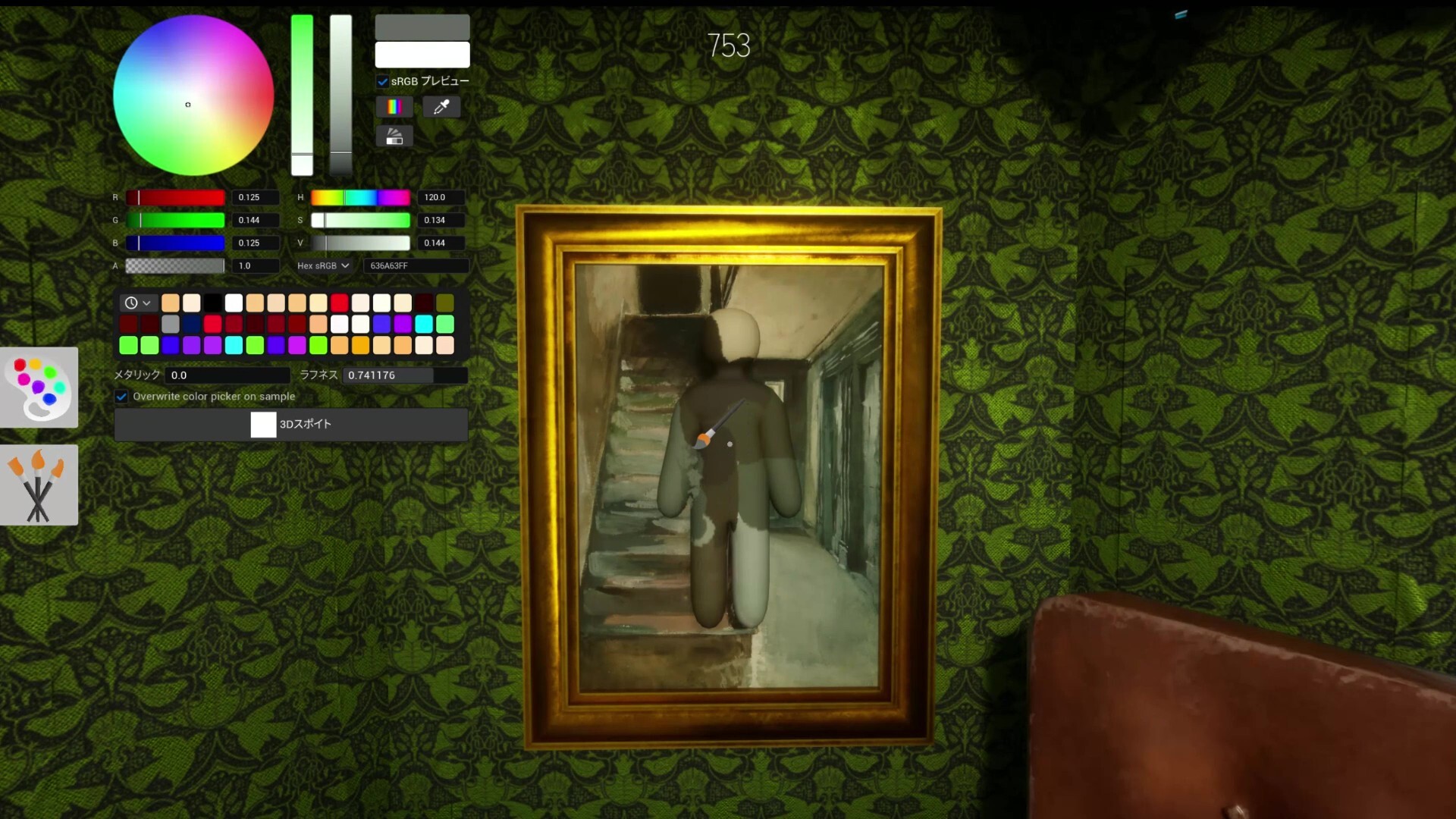


The most important how-to-play answer is that MECCHA CHAMELEON is not only about color. New hiders need to copy the surrounding surface, pick a believable pose, reduce motion, and avoid outlines that make their body read like a player model. New seekers need to scan for shapes first, then confirm with color, shadows, repeated patterns, and movement. A useful beginner page should teach the match loop quickly, then move players into role-specific guides and map pages where the advice becomes concrete.
The learning path should teach a round before it teaches tricks. Players split into hiders and seekers. Hiders paint their white body to match the stage, choose a pose, and try to survive the timer. Seekers clear the room, identify fake shapes, and win by finding everyone in time. The important twist is that paint alone is not enough: a hider who matches color but keeps a human outline will still stand out. New players should learn the order of decisions: pick a forgiving surface, match brightness, adjust color, choose a pose, freeze early, and think about the seeker angle. Seekers should learn the reverse order: broad room scan, silhouette check, texture comparison, shadow and shine check, then pressure suspicious zones. This structure links naturally to beginner, hider, seeker, map, and hiding-spot pages.
Basic Match Flow
The flow is easy to understand but hard to master because every room creates different paint and pose decisions.
- Hiders choose a surface, copy its colors, and settle into a believable pose.
- Seekers scan the stage for outlines, wrong textures, suspicious shine, and movement.
- Good hiders think about lighting and silhouette, not only paint color.
- Good seekers sweep high-risk corners and repeated patterns instead of clicking randomly.
First Match Checklist
Use this checklist before chasing advanced hiding spots.
| Step | Hider focus | Seeker focus |
|---|---|---|
| 1 | Find a surface with forgiving texture | Memorize room shape before hiders settle |
| 2 | Match color and brightness | Scan silhouettes and corners |
| 3 | Pick a pose that belongs there | Check shiny or mismatched paint |
| 4 | Stop moving early | Re-scan likely hiding zones |
Sources and editorial notes
Status facts should be refreshed against Steam, Steam Community, SteamDB, and current SERP evidence before publishing or promoting this page.
FAQ
Related pages
MECCHA CHAMELEON Beginner Guide
A beginner route for your first matches: learn the rules, avoid obvious outlines, practice paint discipline, and understand how seekers think.
Open related guideMECCHA CHAMELEON Hider Guide
Hiders win by combining paint, pose, lighting, silhouette control, and patience. A perfect color with a bad outline still gets caught.
Open related guideMECCHA CHAMELEON Seeker Guide
Seekers should hunt shapes first, then confirm with paint, texture, light, and movement. Random checking wastes time.
Open related guideMECCHA CHAMELEON Best Hiding Spots
A database-style guide with 25 launch hiding spot records across four official maps, including setup advice, difficulty, paint notes, and seeker counters.
Open related guide