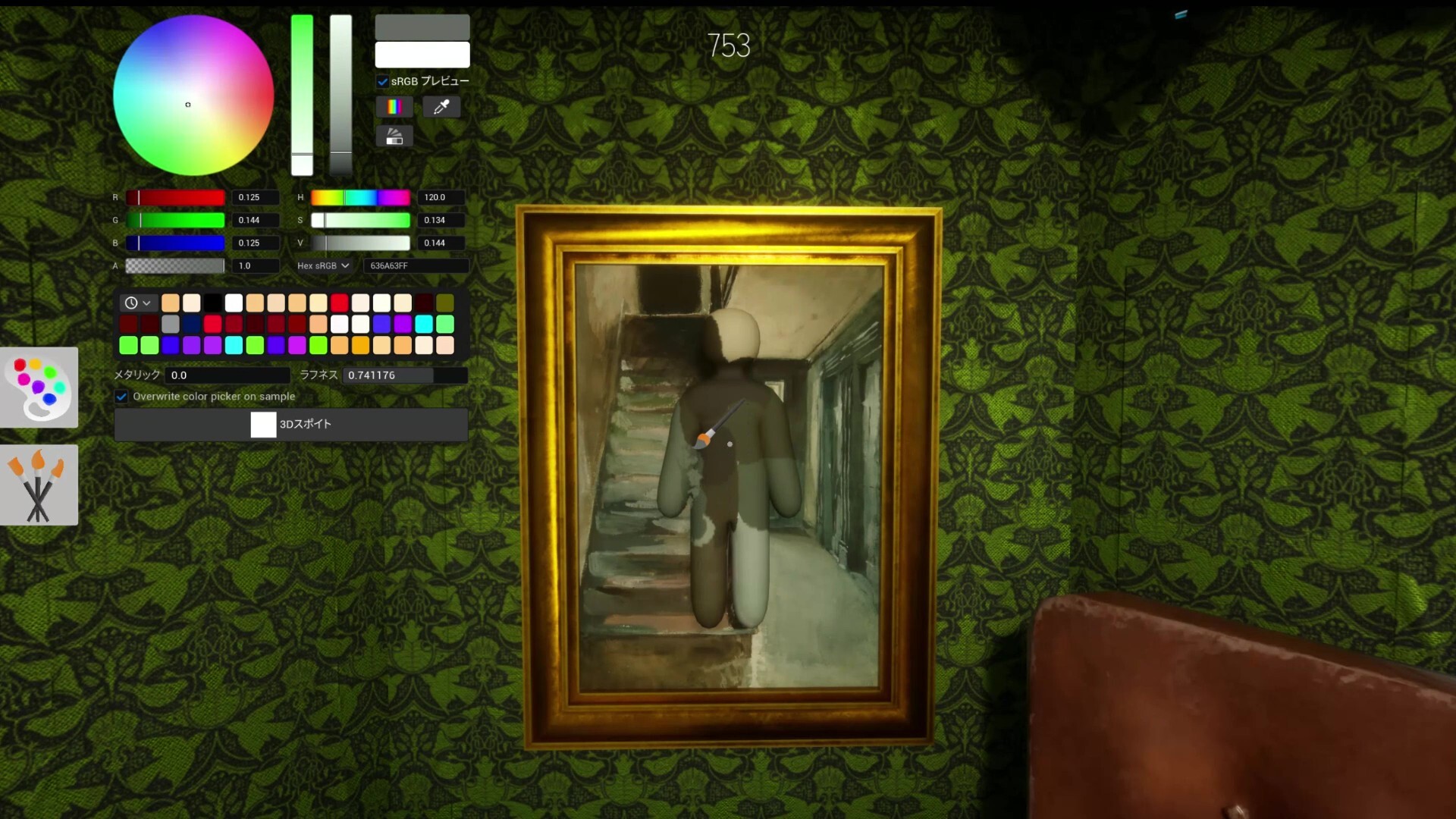

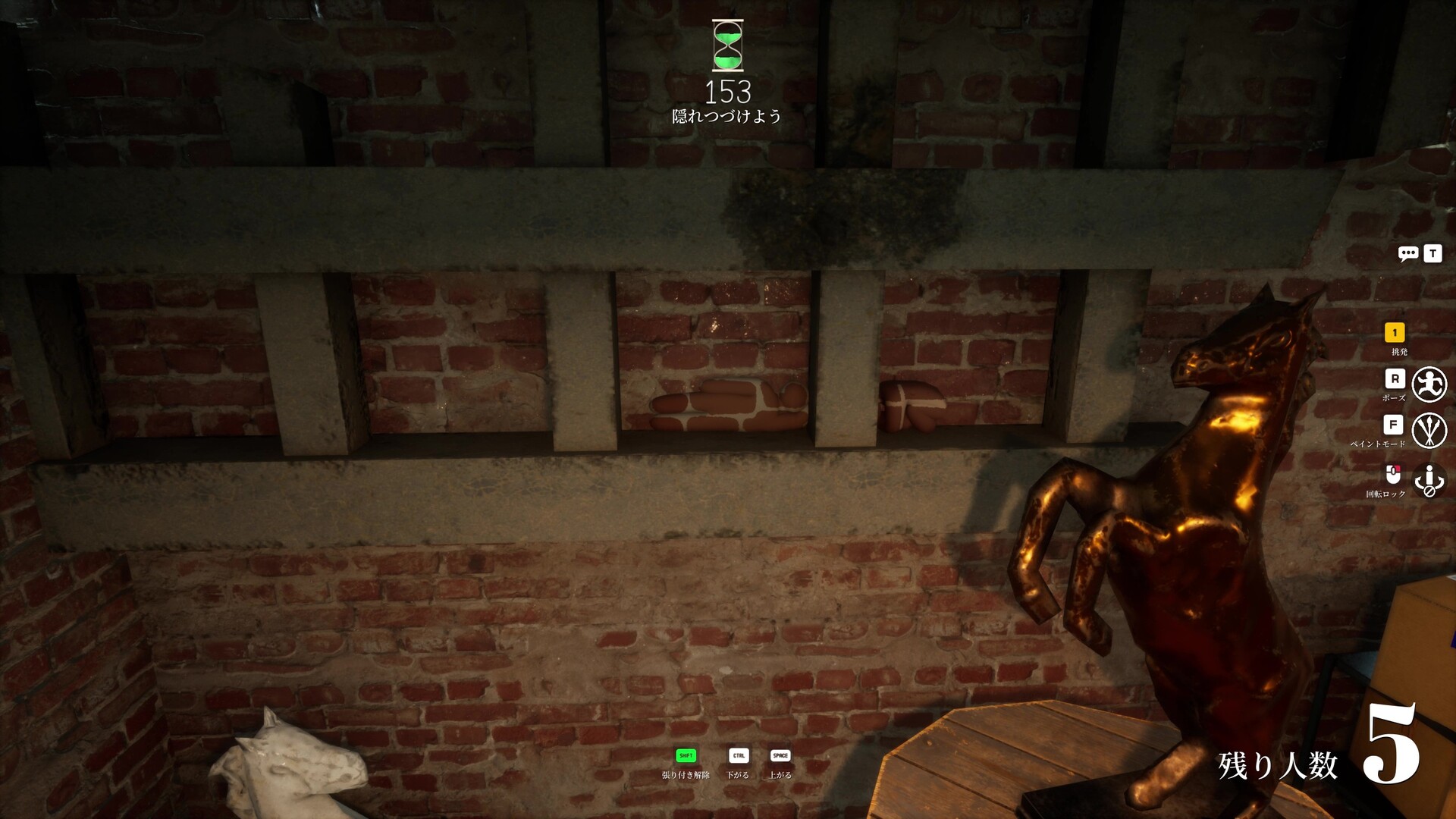
The hider role rewards small decisions. Choose a surface that gives you enough visual noise, sample colors from the exact area you will occupy, match brightness before detail, and use a pose that looks intentional in the room. The best hider spots are not always the darkest corners. A strong spot gives you a believable shape, blocks part of your outline, and forces seekers to spend time checking other high-probability zones. Movement discipline matters because a single adjustment can undo a good paint job.
The hider guide is where the wiki can add practical value beyond a basic rules summary. It should teach a decision tree that players can apply on any official or Workshop map. Start with surface selection: noisy textures, cluttered edges, and partial cover forgive small paint errors better than clean flat walls. Then check lighting: the same color can look wrong if the hider is too bright or too dark for the local shadow. Then check silhouette: a body-shaped outline is suspicious even when painted well. Finally, think like a seeker and ask how the spot looks from the doorway, from the center of the room, and from a side angle. Strong hider advice always includes the counter-play so it remains useful for both roles.
Camouflage Decision Tree
Before settling, evaluate the spot in order.
- Surface: does the wall, floor, or object have enough texture to forgive imperfect paint?
- Light: does your body brightness match the local lighting?
- Pose: does the silhouette resemble scenery or clutter?
- Counter: how would a seeker check this area?
Hider Setup Table
Use this table to diagnose why a hiding plan fails.
| Factor | Good sign | Warning sign |
|---|---|---|
| Paint | Brightness and color match local surface | Flat color stands out |
| Pose | Shape belongs in the room | Human outline stays readable |
| Position | Part of outline is hidden | Full body visible from doorway |
| Motion | Settled early | Adjusting under seeker view |
Sources and editorial notes
Status facts should be refreshed against Steam, Steam Community, SteamDB, and current SERP evidence before publishing or promoting this page.
FAQ
Related pages
MECCHA CHAMELEON Best Hiding Spots
A database-style guide with 25 launch hiding spot records across four official maps, including setup advice, difficulty, paint notes, and seeker counters.
Open related guideMECCHA CHAMELEON Maps
The map hub organizes Hide-and-Seek Mansion, Indoor Country, Sewer, and Backrooms by spot count, key areas, role difficulty, and retest status.
Open related guideMECCHA CHAMELEON Seeker Guide
Seekers should hunt shapes first, then confirm with paint, texture, light, and movement. Random checking wastes time.
Open related guideMECCHA CHAMELEON Paint Guide
Paint is only one part of camouflage, but better brightness, texture, and lighting decisions make every hiding spot stronger.
Open related guide