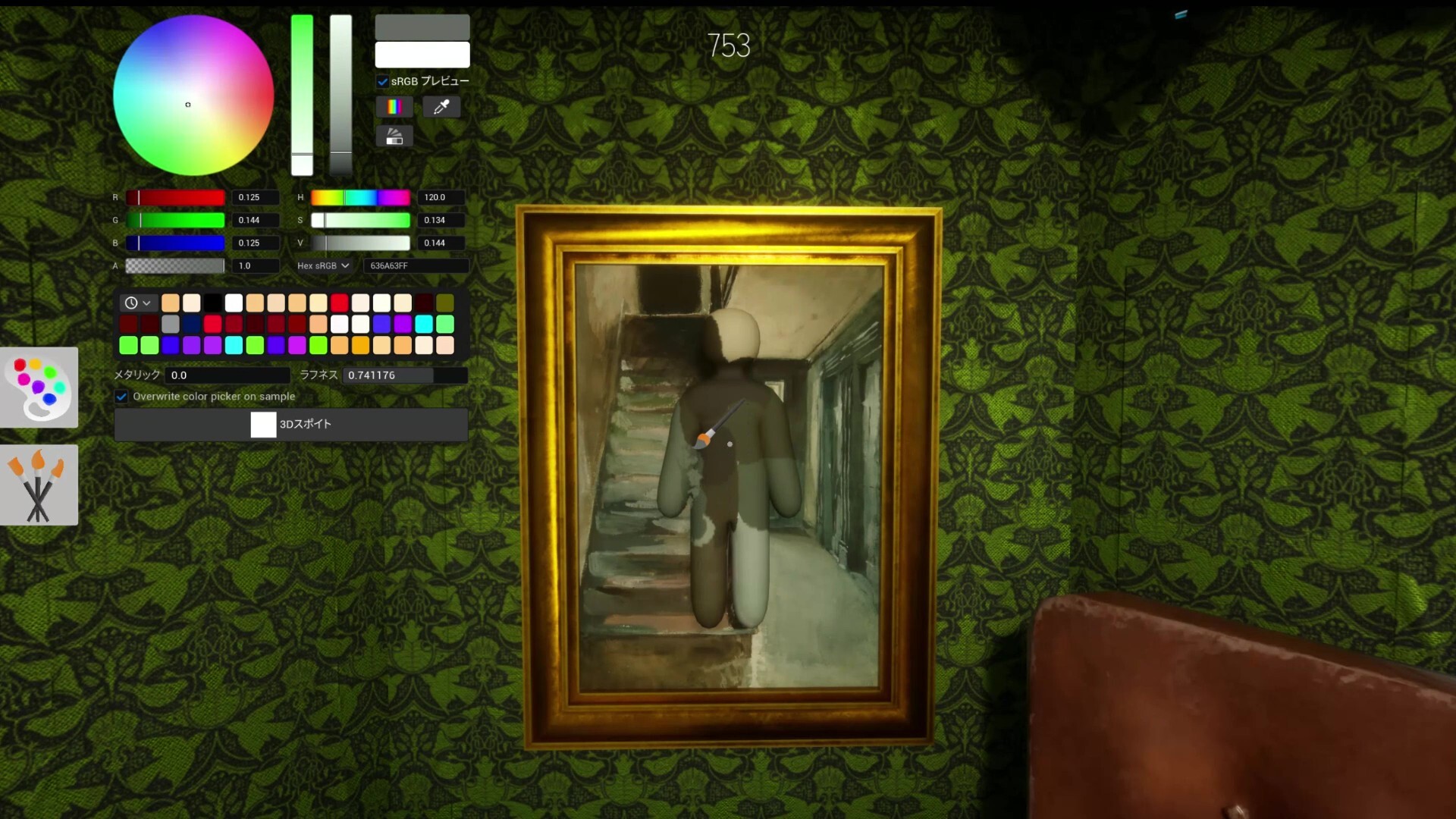

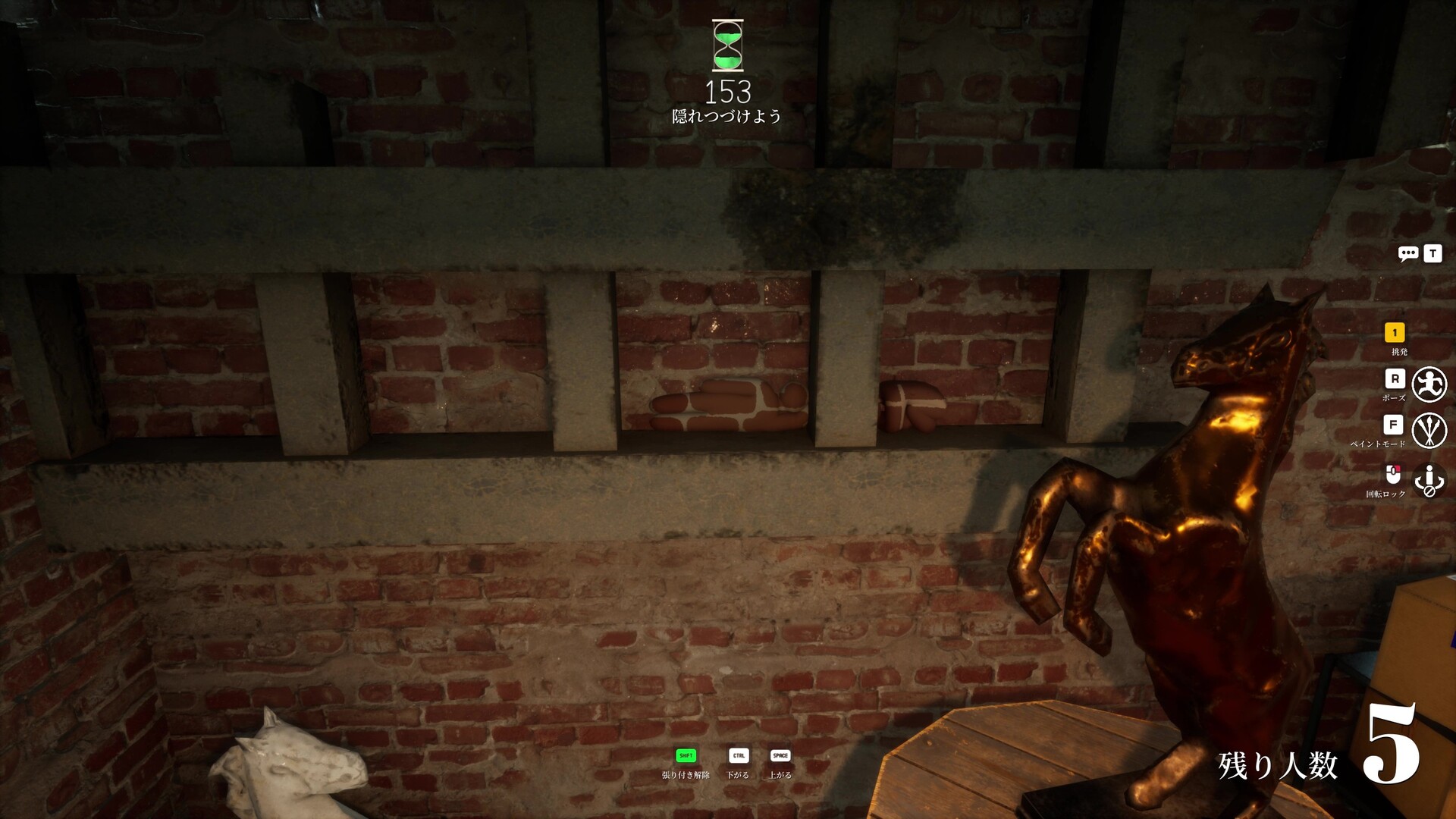
A paint guide should teach players to look beyond hue. A wall can share your color but still expose you if your brightness, shine, or texture density is wrong. Hiders should sample from the exact surface, compare against nearby shadows, and avoid painting a flat block over a noisy wall. This page supports hider pages and map spot pages without competing with their primary keywords.
A paint guide supports the role and map pages by teaching transferable skills. Hue is only the first layer. Brightness, shadow, shine, texture density, edge contrast, and pose all affect whether a hider reads as scenery. Players should sample the exact area where they will stand, not a nearby surface with different lighting. They should compare their outline from the expected seeker angle and avoid creating a smooth painted block on a noisy wall. The guide should also tell seekers what paint mistakes look like: flat patches, mismatched material, broken patterns, and edges that do not belong. Keeping this topic separate prevents the hider guide from becoming too broad while still linking every spot back to camouflage basics.
Paint Matching Checklist
Match brightness first, then hue, then texture feel. Finally check whether the pose still makes sense.
Sources and editorial notes
Status facts should be refreshed against Steam, Steam Community, SteamDB, and current SERP evidence before publishing or promoting this page.
FAQ
Related pages
MECCHA CHAMELEON Hider Guide
Hiders win by combining paint, pose, lighting, silhouette control, and patience. A perfect color with a bad outline still gets caught.
Open related guideMECCHA CHAMELEON Best Hiding Spots
A database-style guide with 25 launch hiding spot records across four official maps, including setup advice, difficulty, paint notes, and seeker counters.
Open related guideHow to Play MECCHA CHAMELEON
Learn the basic loop: hiders paint and pose to blend into the stage while seekers scan the room for shape, texture, movement, and lighting mismatches.
Open related guideMECCHA CHAMELEON Maps
The map hub organizes Hide-and-Seek Mansion, Indoor Country, Sewer, and Backrooms by spot count, key areas, role difficulty, and retest status.
Open related guide