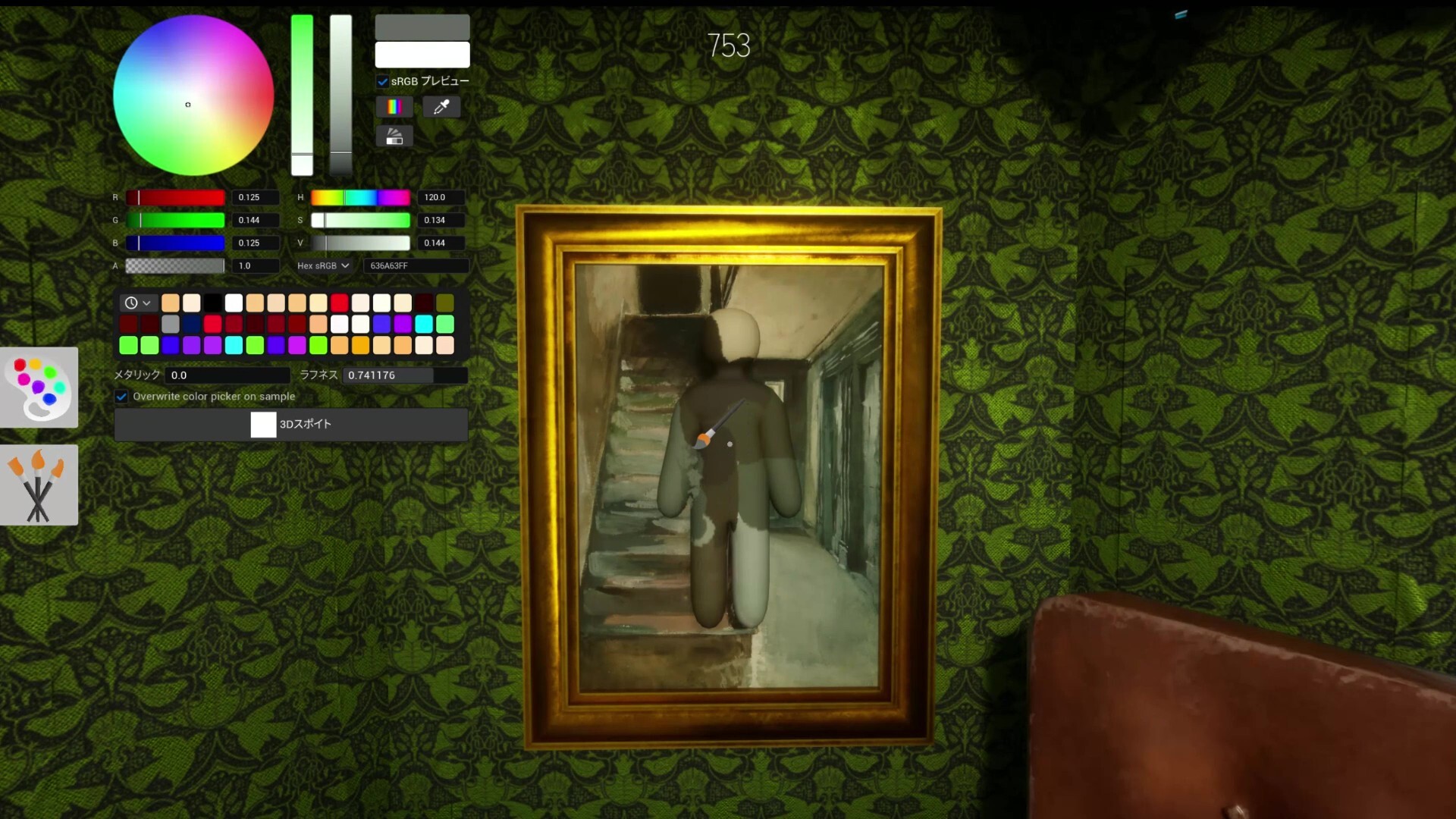
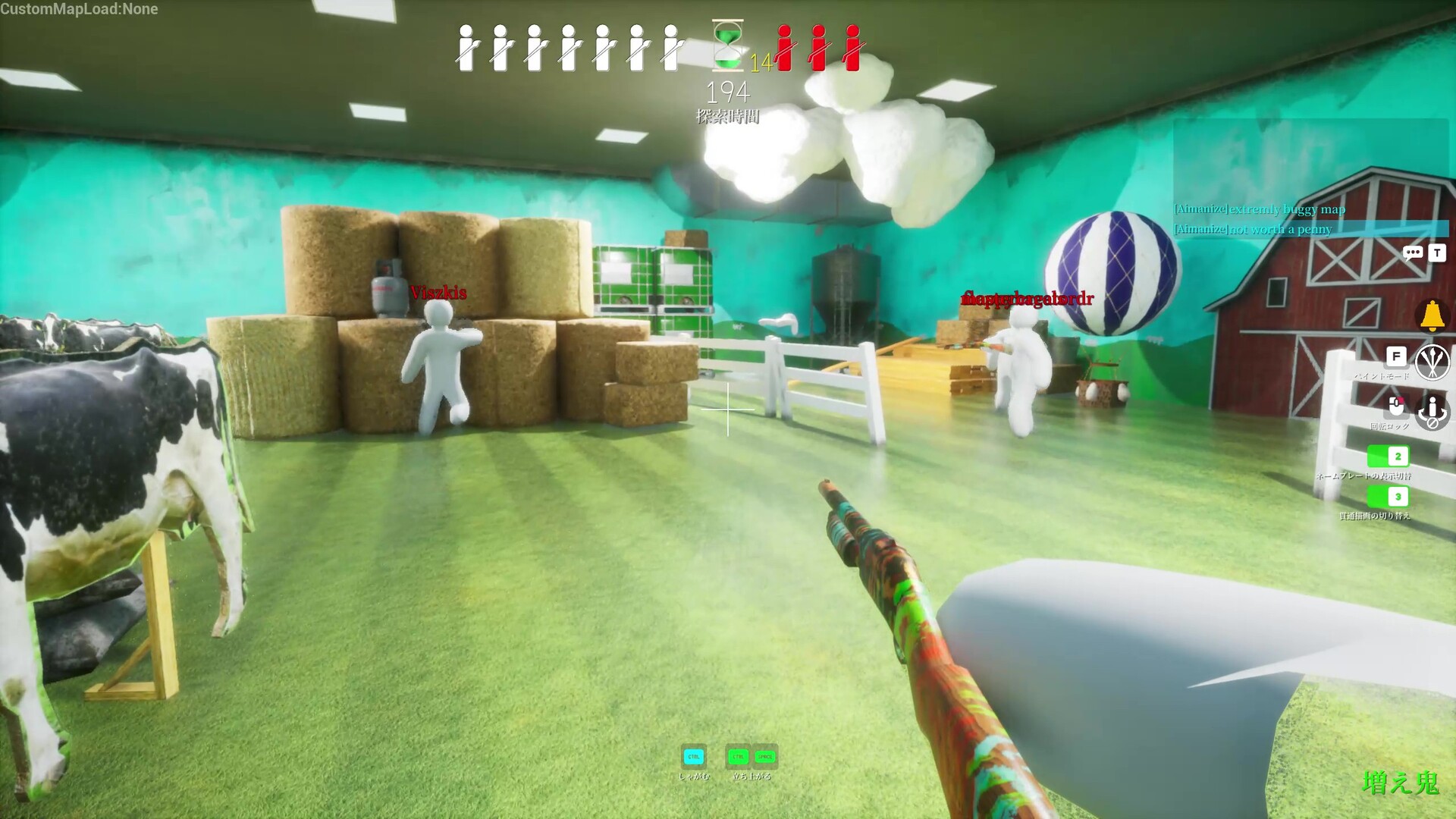

Beginners usually lose because they treat camouflage as a color picker problem. In practice, a beginner should first choose simple surfaces, avoid high-contrast edges, copy brightness, pick a pose that fits the environment, and stop moving before seekers enter the room. On seeker rounds, the beginner goal is not to memorize every possible spot. It is to learn how bad hiding reads: unusual silhouettes, mirrored textures, outlines that sit away from walls, and movement after the room should be still.
A beginner page should be forgiving and concrete. The first goal is not mastery; it is to stop losing to obvious tells. For hiders, that means choosing simple surfaces, avoiding high-contrast edges, matching local brightness, and freezing before seekers arrive. For seekers, that means learning how to see the room instead of clicking at random. Beginners should review each elimination by asking a short diagnostic question: was the color wrong, was the brightness wrong, was the outline readable, did the pose not belong, or did movement give the spot away? This page should also push users into role-specific pages only after explaining the shared vocabulary. Without that vocabulary, map spot lists become memorization instead of strategy.
First 10 Minutes
Use the first sessions to build repeatable habits.
- Play one round focusing only on surfaces and brightness.
- Play one seeker round focusing only on silhouettes.
- After every loss, ask whether color, pose, shine, or movement gave you away.
- Avoid advanced tiny spots until you can survive in obvious rooms.
Common Beginner Mistakes
Most mistakes are easy to name once you know what seekers notice.
| Mistake | Why it fails | Better habit |
|---|---|---|
| Only matching color | Texture and shadow still expose you | Copy brightness and surface feel |
| Moving late | Motion is easier to see than color | Freeze before seeker pressure |
| Hiding in perfect corners only | Seekers check obvious corners | Use believable mid-room shapes too |
Sources and editorial notes
Status facts should be refreshed against Steam, Steam Community, SteamDB, and current SERP evidence before publishing or promoting this page.
FAQ
Related pages
How to Play MECCHA CHAMELEON
Learn the basic loop: hiders paint and pose to blend into the stage while seekers scan the room for shape, texture, movement, and lighting mismatches.
Open related guideMECCHA CHAMELEON Hider Guide
Hiders win by combining paint, pose, lighting, silhouette control, and patience. A perfect color with a bad outline still gets caught.
Open related guideMECCHA CHAMELEON Seeker Guide
Seekers should hunt shapes first, then confirm with paint, texture, light, and movement. Random checking wastes time.
Open related guideMECCHA CHAMELEON Maps
The map hub organizes Hide-and-Seek Mansion, Indoor Country, Sewer, and Backrooms by spot count, key areas, role difficulty, and retest status.
Open related guide